How should the material of the protective cover be selected to adapt to different environments
Author:ProPureX, Update:2025-07-17 08:57:01
When selecting protective cover materials to adapt to different environments, it is necessary to comprehensively consider protection requirements, environmental characteristics, and budget constraints. Below is a detailed analysis:
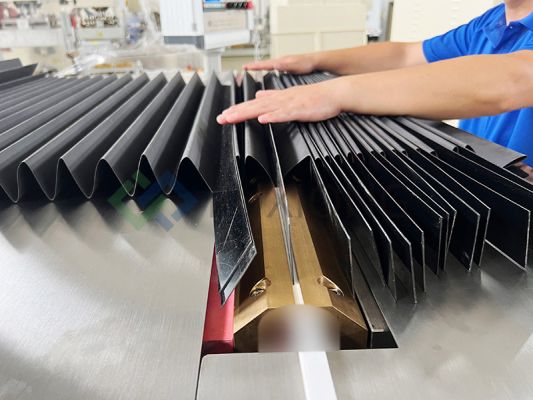
I. Metallic Materials
1. Characteristics
- Sturdy and durable with high strength and rigidity
- Effective resistance against external impacts and abrasion
- Good corrosion resistance, suitable for harsh environments
2. Applicable Environments
- High-speed, heavy-duty machinery (e.g., machining centers, CNC machines)
- Protects critical components such as guide rails, ball screws, and worktables
- Shields components from damage by chips, sparks, and debris
3. Specific Types
- Carbon steel or stainless steel plates: Made from high-quality carbon steel or stainless steel, surface-treated with painting or electroplating for enhanced rust resistance.
- High-security steel plate shields: Resistant to penetration or cracking caused by hammers, stones, or certain projectiles.
II. Plastic Materials
1. Characteristics
- Lightweight and cost-effective
- Moderate corrosion resistance
- Available in diverse colors, easy to clean and maintain
2. Applicable Environments
- Machinery with weight restrictions or limited budgets, such as small lathes or milling machines
- Protects guide rails, ball screws, and cutting tools
- Also suitable for electronic devices requiring lightweight, basic protection
3. Specific Types
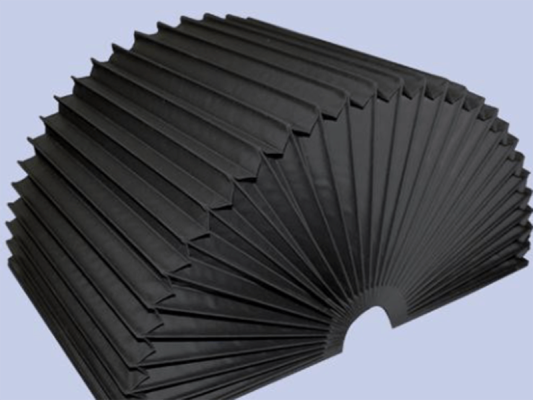
- Bellows-style covers (made of nylon, rubber, or plastic): Oil-resistant, corrosion-resistant, and impact-resistant; applicable to lathes, milling machines, grinders, etc.
- Roll-up shields (composed of plastic sheets): Lightweight yet strong, corrosion-resistant, ideal for space-constrained machinery.
III. Fiber Materials
1. Characteristics
- Excellent thermal insulation
- Some variants offer fireproofing and high-temperature resistance
2. Applicable Environments
- Machinery processing high-temperature materials
- Workshops with high-temperature conditions to prevent heat damage
3. Examples
- Polyurethane precision-engineered synthetic materials: Fire-resistant, high-temperature resistant (up to 700°C), and resistant to welding splatter, oil, water, coolant, and dust. Suitable for large laser cutting and welding equipment.
IV. Composite Materials (e.g., metal-fiber hybrids)
1. Characteristics
- Combine advantages of different materials (e.g., metal strength + fiber insulation)
- Offer comprehensive protection
2. Applicable Environments
- Machinery requiring high protection standards in complex conditions (e.g., high temperature + impacts)
3. Example
- Armor-type machine tool shields: Feature bellows-style covers reinforced with external stainless steel armor plates. The smooth, aesthetically designed armor layer prevents contact with high-temperature debris, enhancing safety through dual-layer protection.

.jpg)
.jpg)