
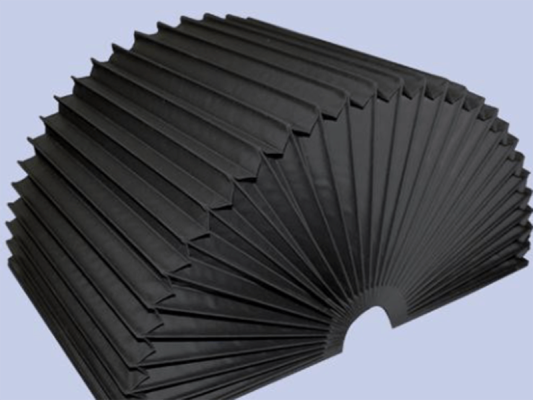
PVC/PU Bellows Cover Welding Machine
In modern industrial production, machine tools, as core equipment, undertake the critical task of precision machining for various components. From high-precision parts in aerospace to mass-produced components in automotive manufacturing, the efficient and stable operation of machine tools directly determines product quality and production efficiency. Within the complex working environments of machine tools, protective covers serve as loyal guardians, establishing robust defense lines for equipment stability through their exceptional impact resistance.
I. Impact Threats: Hidden Dangers in Machine Tool Operation
Machine tools face various impact challenges during operation. In cutting processes, high-speed collisions and intense friction between cutting tools and workpieces generate significant vibrations and impacts. These forces not only transmit to machine components through workpieces but may also affect surrounding environments through flying chips. In heavy machining scenarios like large casting milling or drilling, machine tools must withstand tremendous cutting forces. Sudden tool breakage or unstable workpiece fixturing can generate instantaneous impacts directly affecting critical components. Additionally, unexpected collision impacts may arise from adjacent equipment operation or material handling.
Uncontrolled impacts can cause severe damage:
II. Superior Impact Resistance: The Protective Covers' Core Strengths
The reliability of machine tool protective covers stems from exceptional impact resistance achieved through meticulous design and premium materials:
Structural Design Advantages:
Material Selection:
© 2012‐2022 SHANGHAI PUXIONG, Inc. All rights reserved. ProPureX™
.jpg)
.jpg)