
PVC/PU Bellows Cover Welding Machine
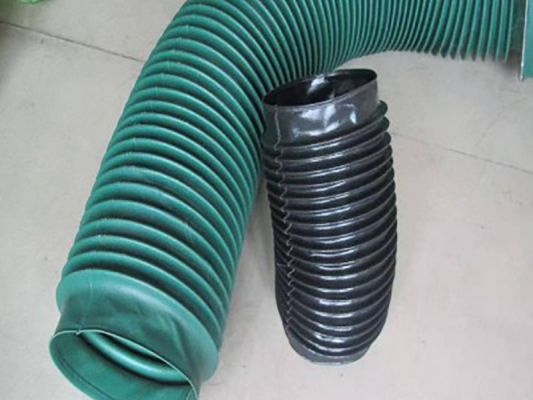
The selection of materials for high-speed machine tool lead screw protective covers requires comprehensive consideration of protective performance, environmental adaptability, and processing technology. The following is an analysis of common materials and their characteristics:
I. Common Materials and Characteristics
1. Nylon Fabric
Characteristics: Excellent high-temperature resistance, but slightly poor acid and alkali resistance.
Advantages: Can be customized to any shape according to customer needs; suitable for scenarios with high high-temperature protection requirements but low risk of acid and alkali corrosion.
2. Oil-resistant Rubber
Characteristics: Excellent oil and acid/alkali corrosion resistance, but slightly weaker high-temperature resistance.
Advantages: Manufactured using mold technology, high sealing performance, significant dustproof effect, suitable for oily or chemically corrosive environments.
3. PVC + Nylon Fabric Composite Material
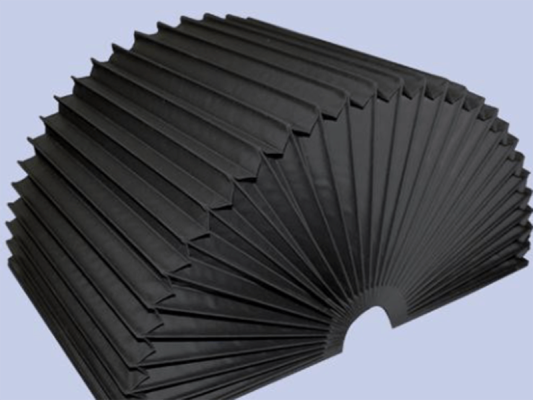
Characteristics: Combines flexibility and wear resistance; can be high-frequency heat-sealed into an accordion-style structure.
Advantages: Lightweight, good elasticity, high compression ratio (up to 10:1), suitable for high-speed machine tool scenarios requiring frequent extension and retraction.
4. Steel Plate Material
Characteristics: High strength, impact resistance, but insufficient flexibility.
Advantages: Manufactured using a cold-pressing process, suitable for protecting high-speed moving parts, but the impact of its weight on the dynamic performance of machine tools must be weighed.
5. Stainless Steel
Characteristics: High corrosion resistance, high strength, smooth surface, easy to clean.
Advantages: Suitable for harsh environments such as humid, acidic, and alkaline conditions, maintaining protective performance for a long time, but at a higher cost.
II. Material Selection Recommendations
1. High-Temperature Environments: Prioritize nylon cloth or PVC+nylon cloth composite materials with strong high-temperature resistance.
2. Oily or Chemically Corrosive Environments: Oil-resistant rubber or stainless steel is more suitable.
3. High Flexibility Requirements: The accordion structure of PVC+nylon cloth composite materials can meet frequent expansion and contraction requirements.
4. High-Strength Impact Protection: Steel plates or stainless steel materials provide reliable protection.
© 2012‐2022 SHANGHAI PUXIONG, Inc. All rights reserved. ProPureX™
.jpg)
.jpg)